- Mon - Sat 8:00 AM - 06:00 PM / Sunday - Closed
- sales@aqualuswatersolutions.com
- A2/21 Site V Kasna Industrial Area Greater Noida 201310
Effluent Treatment Plants
- Home
- Effluent Treatment Plants
Effluent Treatment Plant Manufacturer in India
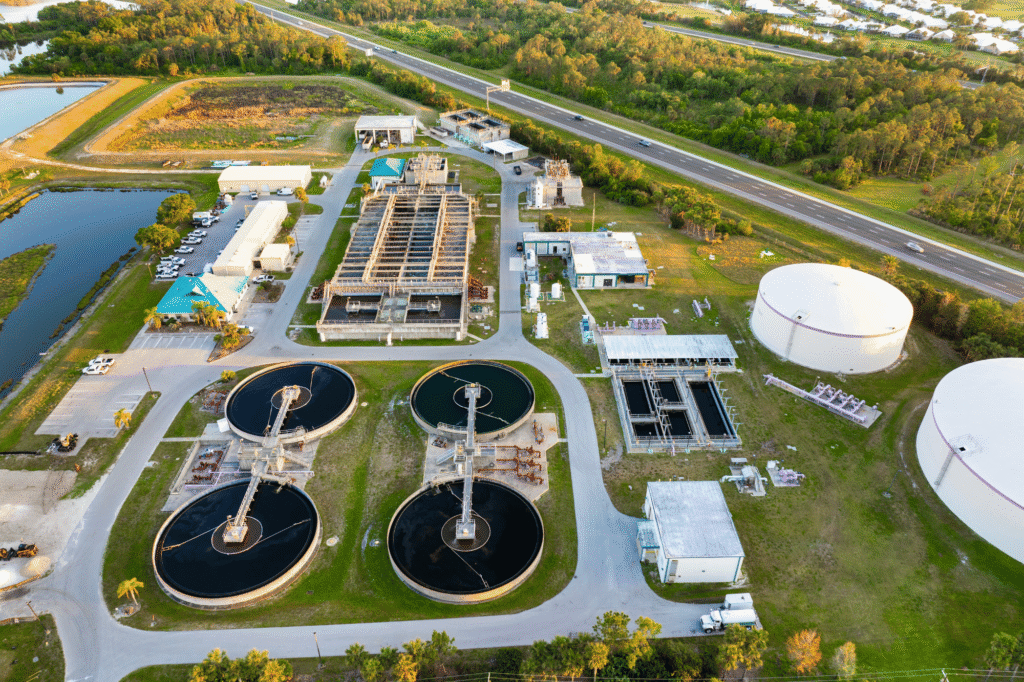
Industrial growth brings progress, but it also generates a significant amount of wastewater containing harmful chemicals and pollutants. Discharging untreated industrial effluent into the environment can cause severe damage to ecosystems and human health. This is where Effluent Treatment Plants (ETP) become essential.
At Aqualus Water Solutions, we design and manufacture advanced Effluent Treatment Plants that effectively treat industrial wastewater and ensure compliance with environmental regulations. Our ETP systems are built using modern technologies to deliver reliable, efficient, and cost-effective solutions.
What is an Effluent Treatment Plant (ETP)?
An Effluent Treatment Plant (ETP) is a system used to treat wastewater generated from industrial processes. This wastewater may contain toxic chemicals, heavy metals, oils, grease, and other harmful substances.
The primary objective of an ETP is to:
- Remove hazardous contaminants
- Reduce pollution levels
- Make water safe for discharge or reuse
Proper treatment of industrial effluent is not only important for environmental safety but also mandatory as per government norms.
Why Choose Aqualus for ETP Solutions?
At Aqualus, we understand the complexities of industrial wastewater treatment. Every industry produces a different type of effluent, which requires a customized approach.
Our Key Strengths:
- Customized ETP design based on industry type
- Advanced chemical and biological treatment technologies
- High treatment efficiency
- ✔ Low operational and maintenance costs
- ✔ Compliance with pollution control standards
- End-to-end support and services
We aim to provide solutions that are not only effective but also sustainable and economical.
Working Process of Effluent Treatment Plant
Effluent Treatment Plants use a combination of physical, chemical, and biological processes to treat wastewater.
1. Preliminary Treatment
Large particles, oil, and grease are removed using screens and oil separators.
2. Primary Treatment (Chemical Treatment)
Chemicals are added to neutralize pH and remove suspended solids through coagulation and flocculation.
3. Secondary Treatment (Biological Process)
Microorganisms break down organic pollutants present in the effluent.
4. Tertiary Treatment
Advanced filtration and disinfection processes ensure removal of remaining impurities.
5. Sludge Treatment
The sludge generated during treatment is processed and safely disposed of or reused.
Types of Effluent Treatment Plants We Offer
We provide a wide range of ETP systems designed for different industries and requirements:
1. Chemical ETP
Used for industries with high chemical content in wastewater.
2. Biological ETP
Uses microorganisms to break down organic pollutants.
3. Zero Liquid Discharge (ZLD) Systems
Ensures no liquid waste is discharged, enabling complete water reuse.
4. Physico-Chemical Treatment Systems
Combines physical and chemical processes for efficient treatment.
Industries We Serve
Our Effluent Treatment Plants are suitable for a wide range of industries:
🧵 Textile and dyeing industries
🧪 Chemical and pharmaceutical industries
🍲 Food processing units
🛢 Oil and refinery industries
🧴 Cosmetics and personal care industries
🏭 Manufacturing units
Each industry has unique wastewater characteristics, and we provide tailored solutions accordingly.
Key Features of Our ETP Systems
Our ETP systems are designed to deliver high performance with maximum efficiency:
- High removal efficiency of pollutants
- Robust and durable design
- Automated operation
- Low power consumption
- Minimal maintenance
- Easy installation and scalability
These features make our systems ideal for both small-scale and large-scale industries.
Benefits of Installing an Effluent Treatment Plant
Installing an ETP offers several important benefits:
1. Environmental Protection
Prevents harmful chemicals from entering natural water bodies.
2. Regulatory Compliance
Ensures adherence to pollution control board norms and avoids legal penalties.
3. Water Reuse
Treated water can be reused in industrial processes, reducing water consumption.
4. Cost Savings
Minimizes water procurement costs and reduces waste disposal expenses.
5. Improved Brand Image
Promotes eco-friendly practices and enhances corporate responsibility.
Customized ETP Solutions by Aqualus
At Aqualus, we believe that every industrial setup requires a unique treatment approach. Our experts analyze:
- Nature of effluent
- Flow rate and volume
- Chemical composition
- Industry-specific requirements
Based on this, we design a customized Effluent Treatment Plant that ensures optimal performance and efficiency.
Our Working Process
How We Work Process In Water Treatment
Step 1

Initial Consultation & Water Testing
We begin by understanding your water source and usage. Our team collects samples and performs detailed quality testing to identify pollutants and treatment needs.
Step 2
Tailored Treatment Solution Design
Our engineers craft a customized system based on test results—be it filtration, softening, RO, UV, or chemical treatment—designed to meet specific water purity goals.
Step 3
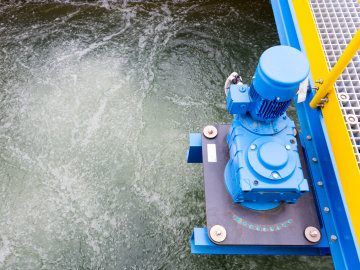
Expert Installation & System Setup
We install the treatment system at your premises with precision, ensuring seamless integration, high performance, and minimal disruption to your routine.
Step 4
Performance Monitoring & After-Sales Support
After setup, we provide continuous monitoring, regular service checks, and prompt support to ensure consistent water quality and system longevity.
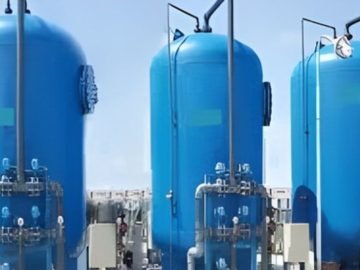
FAQ’S
Have Any Questions?
What is water treatment and why is it important?
Water treatment is the process of removing contaminants from water to make it safe for drinking, industrial use, or environmental discharge. It ensures health safety, protects equipment, and complies with regulations.
How do I know if my water needs treatment?
If you notice foul odor, discoloration, stains on fixtures, or health symptoms, your water may need testing. We recommend a professional water quality analysis to determine the right solution.
What types of water treatment systems do you offer?
We offer filtration systems, reverse osmosis (RO), UV purification, water softeners, demineralization plants, wastewater treatment plants (ETP/STP), and more—based on your water type and usage.
Is water treatment necessary for borewell or groundwater sources?
Yes, borewell and groundwater often contain high levels of iron, hardness, bacteria, or heavy metals. Proper treatment ensures it is safe for consumption or process use.