- Mon - Sat 8:00 AM - 06:00 PM / Sunday - Closed
- sales@aqualuswatersolutions.com
- A2/21 Site V Kasna Industrial Area Greater Noida 201310
Water Softening Plants
- Home
- Water Softening Plants
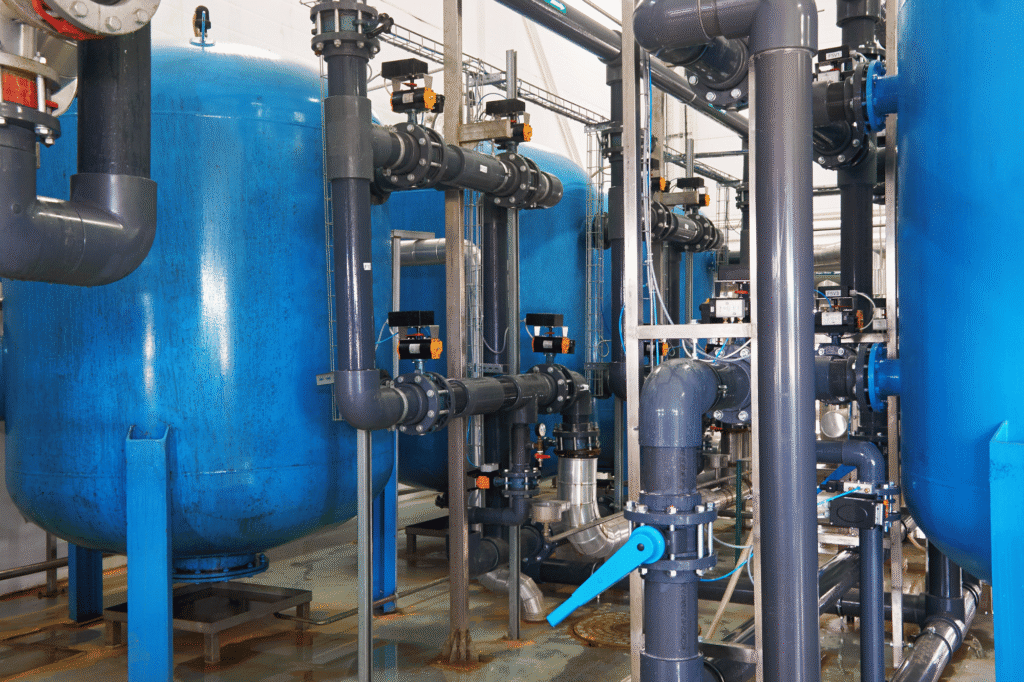
Water Softening Plant Manufacturer in India
Hard water is a common problem in many residential, commercial, and industrial areas. It contains high levels of calcium and magnesium salts, which can cause scaling, reduce efficiency of equipment, and increase maintenance costs. To solve this problem, Water Softening Plants are widely used.
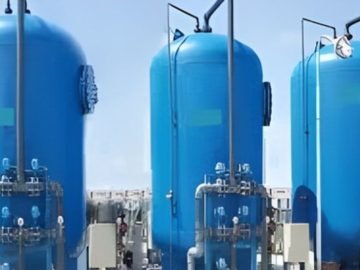
At Aqualus Water Solutions, we provide advanced and reliable Water Softening Plants designed to remove hardness from water and improve its quality. Our systems are engineered with modern technology to deliver efficient, cost-effective, and long-lasting performance.
What is a Water Softening Plant?
A Water Softening Plant is a system that removes hardness-causing minerals like calcium and magnesium from water through a process called ion exchange.
In this process:
- Hard water passes through a resin bed
- Calcium and magnesium ions are replaced with sodium ions
- Soft water is produced, which is free from scaling properties
Softened water is ideal for both domestic and industrial use as it enhances efficiency and prevents damage to equipment.
Why Choose Aqualus for Water Softening Plants?
At Aqualus, we offer customized water softening solutions tailored to your specific requirements. Our systems are designed to ensure high efficiency and ease of operation.
Our Key Strengths:
- Advanced ion exchange technology
- High efficiency in hardness removal
- Compact and user-friendly design
- Low maintenance requirements
- Long service life
- Strong after-sales support
We focus on delivering solutions that improve water quality and reduce operational costs.
Working Process of Water Softening Plant
A Water Softening Plant works on a simple yet effective principle of ion exchange:
1. Hard Water Inlet
Hard water enters the softener tank containing resin beads.
2. Ion Exchange Process
Calcium and magnesium ions in the water are exchanged with sodium ions present in the resin.
3. Soft Water Output
The treated soft water is supplied for use without causing scaling or damage.
4. Regeneration Process
After a certain period, the resin gets saturated and is regenerated using a salt (brine) solution, restoring its efficiency.
Types of Water Softening Plants We Offer
At Aqualus, we provide different types of water softening systems based on usage and requirement:
1. Manual Water Softeners
Require manual operation for regeneration, suitable for small-scale use.
2. Semi-Automatic Water Softeners
Offer partial automation and ease of operation.
3. Fully Automatic Water Softeners
Advanced systems with automatic regeneration and minimal human intervention.
4. Industrial Water Softening Plants
Designed for large-scale industrial applications with high capacity.
Applications of Water Softening Plants
Our Water Softening Plants are used across various sectors:
🏭 Industrial manufacturing units
🏨 Hotels and hospitality industry
🏥 Hospitals and healthcare facilities
🏢 Commercial buildings
🏘 Residential societies and homes
🧺 Laundry and textile industries
These systems ensure smooth operations and improved efficiency.
Key Features of Our Water Softening Systems
Our systems are designed with advanced features for optimal performance:
- High hardness removal efficiency
- Compact and space-saving design
- Easy installation and operation
- Automatic regeneration options
- Low power consumption
- Durable construction
These features make our water softeners reliable and cost-effective.
Benefits of Installing a Water Softening Plant
Installing a Water Softening Plant offers several benefits:
1. Prevents Scale Formation
Reduces scaling in pipelines, boilers, and appliances.
2. Improves Equipment Life
Extends the lifespan of machines and reduces maintenance costs.
3. Better Cleaning Efficiency
Soft water improves the effectiveness of soaps and detergents.
4. Energy Savings
Prevents scale buildup, improving heat transfer efficiency and reducing energy consumption.
5. Enhanced Water Quality
Makes water suitable for various domestic and industrial applications.
Customized Water Softening Solutions
At Aqualus, we provide customized solutions based on:
- Water hardness level
- Daily water consumption
- Application requirements
- Budget considerations
Our expert team ensures that each system is designed for maximum efficiency and performance.
Our Working Process
How We Work Process In Water Treatment
Step 1

Initial Consultation & Water Testing
We begin by understanding your water source and usage. Our team collects samples and performs detailed quality testing to identify pollutants and treatment needs.
Step 2
Tailored Treatment Solution Design
Our engineers craft a customized system based on test results—be it filtration, softening, RO, UV, or chemical treatment—designed to meet specific water purity goals.
Step 3
Expert Installation & System Setup
We install the treatment system at your premises with precision, ensuring seamless integration, high performance, and minimal disruption to your routine.
Step 4
Performance Monitoring & After-Sales Support
After setup, we provide continuous monitoring, regular service checks, and prompt support to ensure consistent water quality and system longevity.
FAQ’S
Have Any Questions?
What is water treatment and why is it important?
Water treatment is the process of removing contaminants from water to make it safe for drinking, industrial use, or environmental discharge. It ensures health safety, protects equipment, and complies with regulations.
How do I know if my water needs treatment?
If you notice foul odor, discoloration, stains on fixtures, or health symptoms, your water may need testing. We recommend a professional water quality analysis to determine the right solution.
What types of water treatment systems do you offer?
We offer filtration systems, reverse osmosis (RO), UV purification, water softeners, demineralization plants, wastewater treatment plants (ETP/STP), and more—based on your water type and usage.
Is water treatment necessary for borewell or groundwater sources?
Yes, borewell and groundwater often contain high levels of iron, hardness, bacteria, or heavy metals. Proper treatment ensures it is safe for consumption or process use.