- Mon - Sat 8:00 AM - 06:00 PM / Sunday - Closed
- sales@aqualuswatersolutions.com
- A2/21 Site V Kasna Industrial Area Greater Noida 201310
Reverse Osmosis Plants
- Home
- Reverse Osmosis Plants
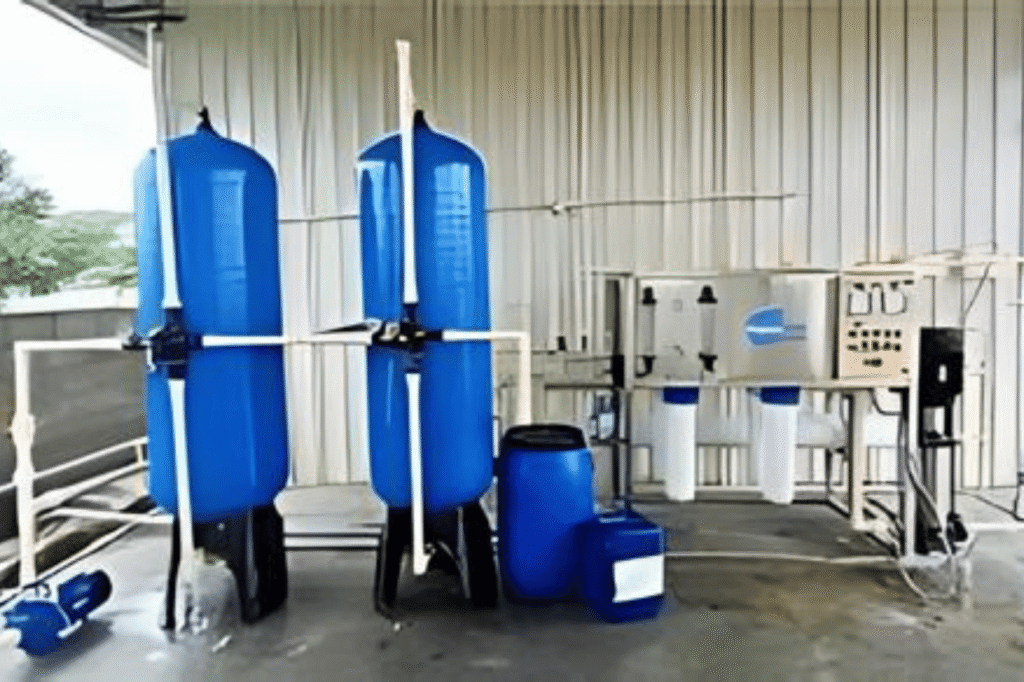
Reverse Osmosis Plant Manufacturer in India
Access to clean and purified water is essential for both domestic and industrial use. However, water sources today often contain dissolved salts, chemicals, and impurities that make it unsafe. This is where Reverse Osmosis Plants (RO Plants) play a crucial role.
At Aqualus Water Solutions, we design and manufacture high-performance Reverse Osmosis Plants that deliver pure, safe, and high-quality water. Our RO systems are engineered with advanced membrane technology to ensure maximum purification efficiency and long-term reliability.
What is a Reverse Osmosis (RO) Plant?
A Reverse Osmosis Plant is a water purification system that removes dissolved salts, impurities, bacteria, and harmful substances from water using a semi-permeable membrane.
The process works by applying pressure to water, forcing it through a membrane that allows only pure water to pass while rejecting contaminants.
RO plants are widely used for:
- Drinking water purification
- Industrial process water
- Boiler feed water
- Pharmaceutical applications
Why Choose Aqualus for RO Plants?
At Aqualus, we provide customized Reverse Osmosis solutions tailored to meet specific requirements of different industries and applications.
Our Key Strengths:
- Advanced RO membrane technology
- High water recovery rate
- Energy-efficient systems
- Compact and modular design
- Low maintenance requirements
- Strong after-sales support
We ensure that our RO plants deliver consistent performance and high-quality output water.
Working Process of Reverse Osmosis Plant
A Reverse Osmosis Plant works through multiple stages to ensure effective purification:
1. Pre-Treatment
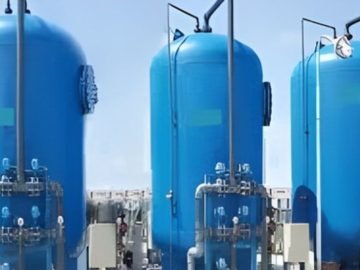
Water passes through pre-filters such as sand filters and activated carbon filters to remove suspended particles, chlorine, and organic matter.
2. High-Pressure Pump
Water is pressurized using a high-pressure pump to push it through the RO membrane.
3. RO Membrane Filtration
The semi-permeable membrane removes dissolved salts, heavy metals, and impurities.
4. Post-Treatment
Further treatment such as UV or mineral dosing is done to improve water quality.
5. Storage and Distribution
The purified water is stored in tanks and supplied for use.
Types of RO Plants We Offer
At Aqualus, we offer a wide range of Reverse Osmosis Plants:
1. Industrial RO Plants
Designed for factories and industries requiring large volumes of purified water.
2. Commercial RO Plants
Suitable for hotels, hospitals, offices, and institutions.
3. Domestic RO Systems
Used in homes for safe drinking water.
4. Brackish Water RO Plants
Used to treat water with moderate salinity.
5. Sea Water RO Plants
Designed to desalinate seawater into potable water.
Applications of Reverse Osmosis Plants
Our RO Plants are widely used across multiple sectors:
🏭 Industrial manufacturing units
🏥 Hospitals and laboratories
🏨 Hotels and restaurants
🏢 Commercial buildings
💧 Drinking water plants
🧪 Pharmaceutical industries
These systems ensure consistent supply of high-quality purified water.
Key Features of Our RO Systems
Our Reverse Osmosis Plants are equipped with advanced features:
- High purification efficiency
- Removal of up to 99% of dissolved salts
- Automatic operation and control
- Compact and space-saving design
- Low energy consumption
- Long membrane life
These features make our RO systems reliable and cost-effective.
Benefits of Installing a Reverse Osmosis Plant
Installing an RO Plant offers several advantages:
1. Pure and Safe Water
Removes harmful contaminants, making water safe for consumption and use.
2. Cost Savings
Reduces dependency on bottled water and external water sources.
3. Improved Process Efficiency
Provides high-quality water required for industrial processes.
4. Environmental Benefits
Reduces water wastage and promotes sustainable usage.
5. Compliance with Standards
Meets water quality standards required for various applications.
Customized RO Solutions by Aqualus
At Aqualus, we provide tailor-made RO solutions based on:
- Water quality (TDS levels)
- Daily water requirement
- Application type
- Budget constraints
Our experts design systems that ensure optimal performance and long-term efficiency.
Our Working Process
How We Work Process In Water Treatment
Step 1

Initial Consultation & Water Testing
We begin by understanding your water source and usage. Our team collects samples and performs detailed quality testing to identify pollutants and treatment needs.
Step 2
Tailored Treatment Solution Design
Our engineers craft a customized system based on test results—be it filtration, softening, RO, UV, or chemical treatment—designed to meet specific water purity goals.
Step 3
Expert Installation & System Setup
We install the treatment system at your premises with precision, ensuring seamless integration, high performance, and minimal disruption to your routine.
Step 4
Performance Monitoring & After-Sales Support
After setup, we provide continuous monitoring, regular service checks, and prompt support to ensure consistent water quality and system longevity.
FAQ’S
Have Any Questions?
What is water treatment and why is it important?
Water treatment is the process of removing contaminants from water to make it safe for drinking, industrial use, or environmental discharge. It ensures health safety, protects equipment, and complies with regulations.
How do I know if my water needs treatment?
If you notice foul odor, discoloration, stains on fixtures, or health symptoms, your water may need testing. We recommend a professional water quality analysis to determine the right solution.
What types of water treatment systems do you offer?
We offer filtration systems, reverse osmosis (RO), UV purification, water softeners, demineralization plants, wastewater treatment plants (ETP/STP), and more—based on your water type and usage.
Is water treatment necessary for borewell or groundwater sources?
Yes, borewell and groundwater often contain high levels of iron, hardness, bacteria, or heavy metals. Proper treatment ensures it is safe for consumption or process use.